
Insurance
How a Roof Insurance Claim Usually Works
What to photograph, what the adjuster is looking for, and the questions worth asking before you sign anything.
Limited time offer 4 point home inspection or wind mitigation with any new roof See what is includedA roof insurance claim usually works in four steps: photograph the damage before anything is touched, take reasonable steps to stop it getting worse, report it and keep a written record of every exchange, then meet the adjuster with that documentation ready. The homeowners who do best are the ones who documented early.
A roof claim is mostly a paperwork exercise, and the homeowners who do best are the ones who documented things early. Here is the shape of it. Your own policy is the authority on what is covered — this is general guidance, not a reading of your policy.
Photograph everything before anything is touched
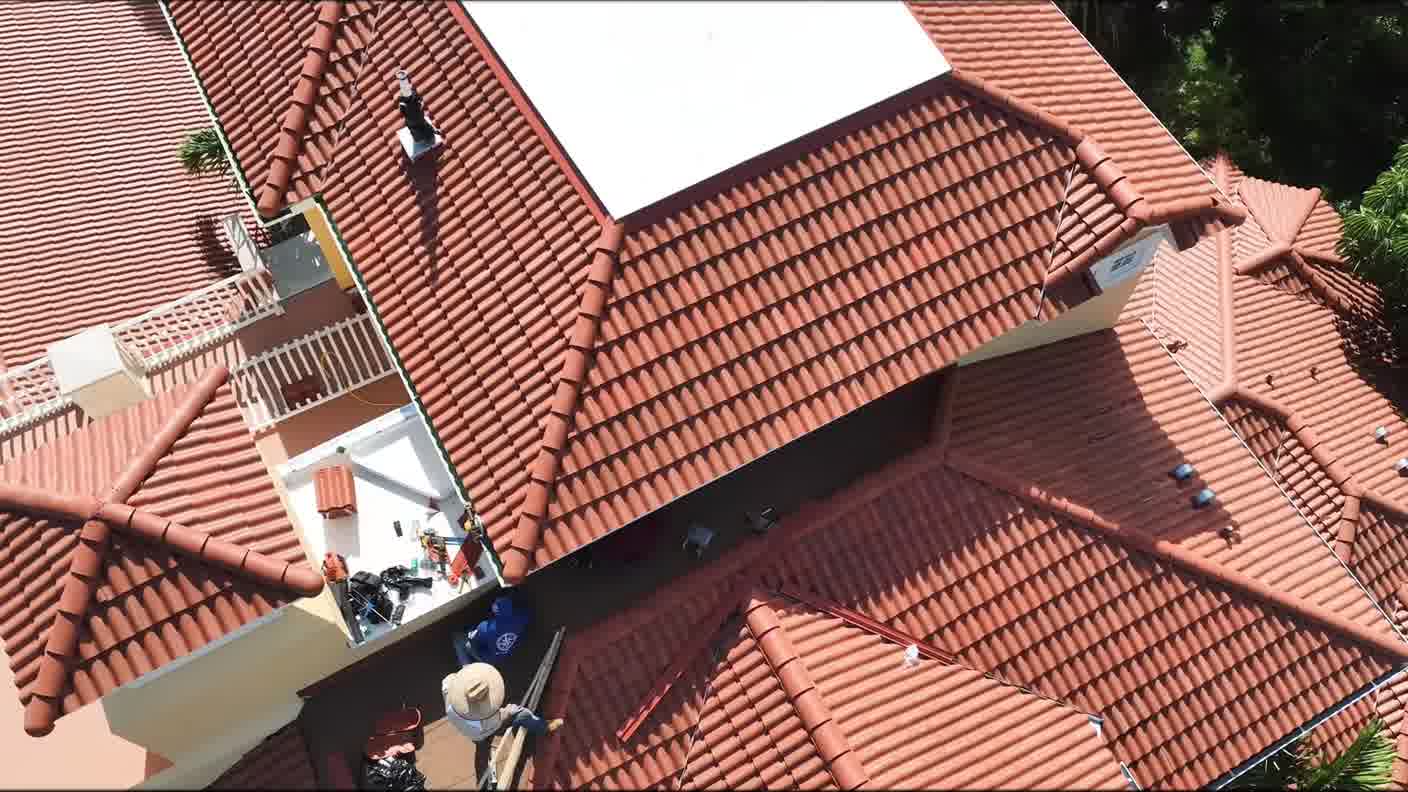
This is the single most useful thing you can do, and it costs nothing. Take dated photographs from the ground on every side of the house, plus any interior staining, wet insulation or damaged belongings. Photograph the damage before any repair, even an emergency one. A claim argued from photographs is a much shorter conversation than a claim argued from memory.
Stop the damage getting worse
Most policies expect you to take reasonable steps to prevent further damage once you know about it — putting a tarp over an opening, for instance, or moving what is under a leak. Keep receipts for anything you buy or pay for while doing that. Do not carry out a full permanent repair before the property has been looked at, because that removes the evidence.
Report it, then keep a written record
Call your carrier and open the claim. From that point on, keep a simple log: who you spoke to, on what date, and what they said. Ask for things in writing where you can. It is not that anyone is out to get you — it is that claims pass between people, and the written record is what survives.
What the adjuster is actually doing
An adjuster is establishing two things: what the damage is, and what caused it. Cause matters because policies treat storm damage differently from age and wear. A roof at the end of its life that finally failed in a storm is a genuinely arguable case, and that argument goes better with photographs and maintenance records than without.
You are allowed your own assessment
You can have a licensed contractor inspect the roof and give you their own written scope of work. That is a normal part of the process. If your contractor's assessment and the adjuster's differ, having both in writing is what lets the difference be discussed sensibly.
What we do, and what we do not
We act strictly in our role as your contractor. We inspect and document the damage, take photographs and measurements, and prepare a detailed repair scope and estimate, and we can answer questions from the carrier about our scope, pricing, and repair methods. More than 14 years of insurance-adjusting experience informs how thoroughly that work is done. However, LMS does not interpret your policy, negotiate your claim, or act as your public adjuster. Coverage decisions remain between you and your insurance company.
Before you sign anything
Read anything before you sign it, and ask directly: does this hand my claim, or any part of my payout, to someone else? Is this an estimate or a contract? What happens if the insurer pays less than this figure? A contractor who will not answer those plainly is telling you something.
Questions worth asking your carrier
What is my deductible for this type of claim? Is my roof covered at replacement cost or at its depreciated value? What documentation do you need from me? Those three answers shape everything that follows, and they are specific to your policy. Florida publishes a Homeowner Claims Bill of Rights setting out the timescales an insurer has to work to, and the Department of Financial Services runs a consumer helpline if a claim stalls.
We work with insurance claims directly, and it is a large part of our business — fourteen years of it. The single thing that decides most claims is the evidence, so we document a roof thoroughly before anything is touched. Call 239-414-9100 before you file and we will tell you what to photograph.
Common questions
How does a roof insurance claim work in Florida?
A roof insurance claim usually works in four steps: photograph the damage before anything is touched, take reasonable steps to stop it getting worse, report it and keep a written record of every exchange, then meet the adjuster with that documentation ready. Your own policy is the authority on what is covered.
What should I photograph before anyone touches the roof?
Take dated photographs from the ground on every side of the house, plus any interior staining, wet insulation or damaged belongings. Photograph the damage before any repair, including an emergency one. A claim argued from photographs is a much shorter conversation than a claim argued from memory, and it costs nothing.
What does the adjuster actually look for?
An adjuster is establishing two things: what the damage is, and what caused it. Cause matters because policies treat storm damage differently from age and wear. A roof at the end of its life that finally failed in a storm is a genuinely arguable case, and that argument goes better with photographs and maintenance records than without.
What should I ask a contractor before signing anything?
Ask directly whether the document hands your claim, or any part of your payout, to someone else; whether it is an estimate or a contract; and what happens if the insurer pays less than the figure on it. A contractor who will not answer those plainly is telling you something.
Want this looked at on your own home?
Let our experts look over your property. No cost and no obligation.